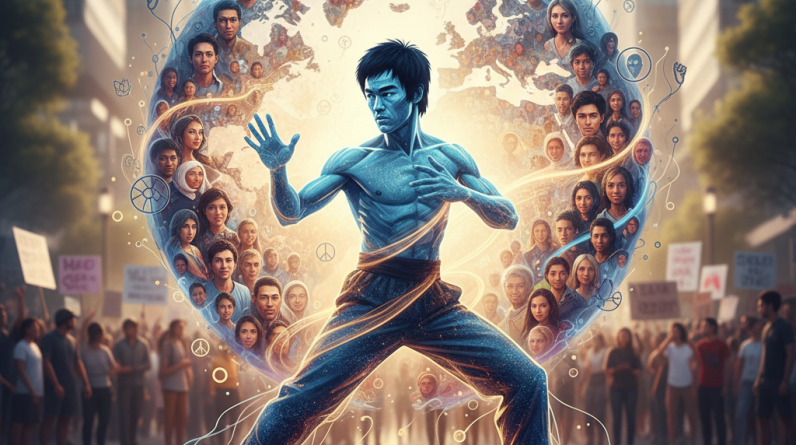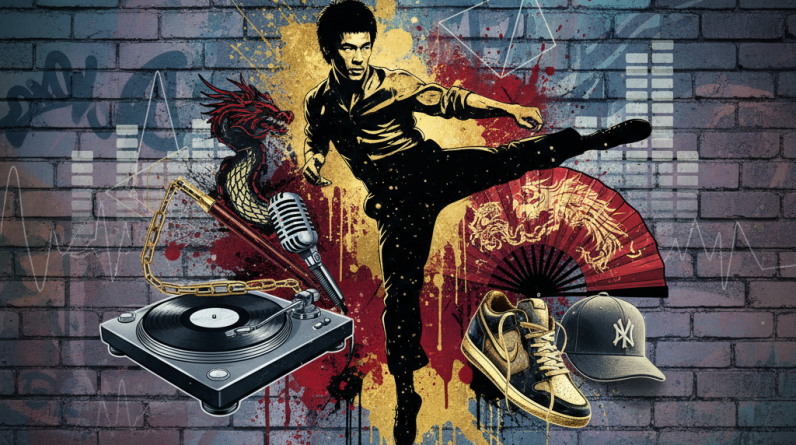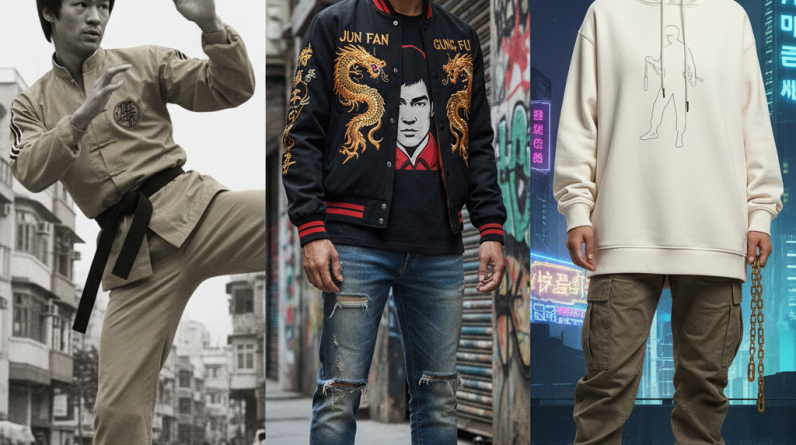



Bruce Lee was a trailblazer for Asian representation in Western media. By transcending cultural boundaries, Lee shaped not only the portrayal of Asians in film but also influenced countless aspects of Western culture. In this article, we’ll explore how his legacy has reshaped stereotypes, opened doors for subsequent generations of Asian Americans, and continues to impact popular culture today.
Breaking Stereotypes
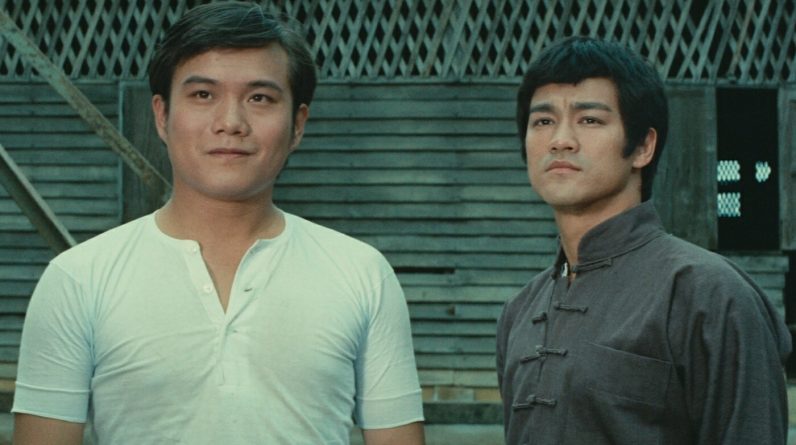
Before Lee’s rise to fame, Asian characters in Western cinema were often reduced to one-dimensional roles – perpetuating harmful stereotypes. Think of the exaggerated caricatures, like the sneaky sidekick or the martial arts master devoid of complexity. Bruce Lee emerged with a screen presence that challenged these norms. In films like Enter the Dragon, he played a fully realized character, not defined solely by his heritage. His physical prowess combined with emotional depth set a new standard for representation. Lee’s nuanced performances showcased the depth of Asian characters, inviting audiences to see them as individuals with their own stories. This shift is reflected in audience reactions – where previously dismissive viewers became engaged fans.
The Cultural Significance of Martial Arts
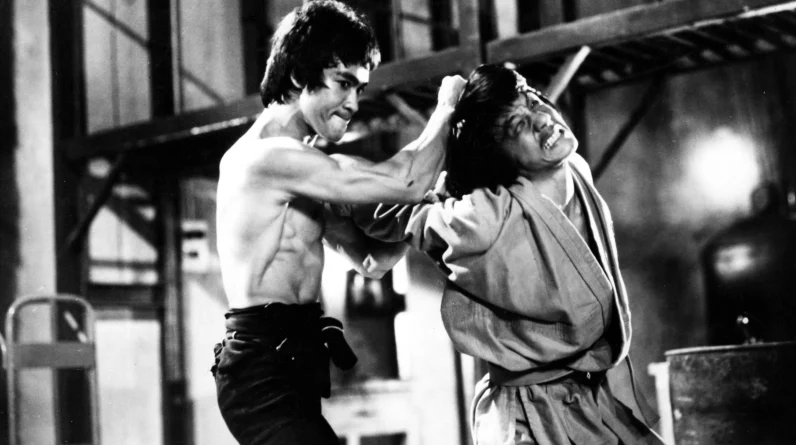
Lee’s influence wasn’t just limited to film; it catalyzed a broader interest in martial arts in Western culture. This cultural curiosity helped establish martial arts as not just a fighting technique but as an art form. Numerous martial arts schools opened across the U.S. in the wake of Bruce Lee’s fame, allowing many to discover the rich traditions behind the combat styles. His connection to martial arts illustrates how cultural elements can result in powerful representations of identity. Martial arts became a vehicle for self-discipline, expression, and a sense of community among practitioners, many of whom were inspired directly by Lee’s success. The impact of Lee can also be seen in how martial arts are now integrated into various facets of entertainment, including video games and fitness trends.
The Rise of Asian Heroes
Lee’s impact can be seen in the growth of Asian heroes in Hollywood. Characters like Liu Kang from Mortal Kombat and even modern figures like Shang-Chi echo Lee’s spirit. These roles transcend simple action archetypes to represent a range of experiences and backgrounds within the Asian community. Lee opened the door for complex narratives mainly because audiences started to demand better representation. This demand has led filmmakers to create more nuanced stories where Asian characters are depicted in diverse paths – be it as leaders, romantics, or everyday heroes. Recent films like Everything Everywhere All at Once illustrate not only diverse narratives but also explore Asian-American experiences that resonate with wider audiences.
Influence on Future Generations
The legacy of Bruce Lee has served as an inspiration for many Asian actors and filmmakers. Stars like Donnie Yen, Jet Li, and even the late Chadwick Boseman have spoken about how Lee’s work inspired them. This generational ripple effect showcases how one individual can shift cultural perspectives and pave the way for others. As actors increasingly draw from Lee’s philosophy and techniques, it forms a rich contribution to the ongoing conversation about representation in Hollywood. The impact of Lee extends beyond individual careers – film and television creators are increasingly recognizing the importance of incorporating diverse voices in storytelling, further motivated by Lee’s legacy.
The Emergence of Asian Narratives
Lee’s influence is not confined to action films alone. His legacy extends to storytelling as a whole. Asian American filmmakers are increasingly pushing to share their unique narratives that reflect their heritage and experiences. Movies like Crazy Rich Asians and The Farewell illustrate this evolution, as they explore rich, multifaceted stories that highlight Asian identities beyond mere stereotypes. This broader range of narratives is a direct result of the groundwork laid by Bruce Lee. These films not only portray the lives and cultures of Asian Americans but also highlight universal themes – love, family, and identity, facilitating broader cultural conversations and fostering a greater understanding within diverse communities.
Adapting and Modernizing His Legacy
In recent years, we’ve seen a push to critically reassess how we remember Bruce Lee. This includes recognizing his contributions to feminism, as women in his circles often played strong, capable roles – something rare in that era. Actors like Angela Mao Ying have expressed admiration for Lee, highlighting how his approach set the stage for female characters to be regarded as powerful figures, not just sidekicks. This adaptation of Lee’s legacy is essential for understanding how cultural icons evolve over time. The empowerment of women in the martial arts genre can be traced back to Lee’s emphasis on skill and character over gender, making way for female leads in various action teams and narratives.
Social Media and Free Expression
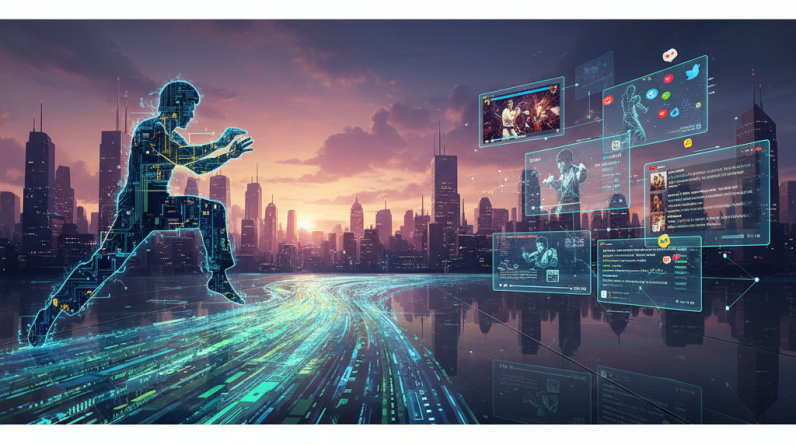
As social media platforms have proliferated, Bruce Lee’s influence has continued to thrive. Numerous accounts dedicated to Lee’s teachings have emerged, sharing inspirational quotes, training videos, and philosophical insights. His principles of self-expression and authenticity resonate, allowing fans old and new to connect with his legacy. Platforms like YouTube and Instagram are filled with tributes that help keep his spirit alive and introduce new audiences to his message. Hashtags like #BruceLee and #MartialArts continue to trend, bringing together communities who share insights about Lee’s philosophies on personal growth, resilience, and cultural pride.
Continuing the Conversation
Today, the debates around representation in media continue. The discussions sparked by Bruce Lee’s work are as relevant as ever, especially as Asian communities navigate their identities in a globalized world. Media consumption patterns reveal that diverse stories are in higher demand, as audiences crave more authentic representations. Lee’s impact serves as a benchmark, reminding creators of the importance of nuanced portrayals. Organizations advocating for diversity in Hollywood have cited Lee as a pivotal figure in paving the way for more inclusive narratives and casting practices, encouraging the industry to continue evolving.
What Lies Ahead?
Moving forward, it’s vital to recognize that Lee’s influence is not only historical – it’s very much alive. Future filmmakers and actors carry the torch of his legacy, backed by a growing audience that demands better representation. As this trend continues, we have an opportunity to further dismantle stereotypes and explore the complex narratives of Asian cultures on screen. Continued conversations about the intricacies of identity, culture, and belonging are essential to ensuring that the future of cinema reflects the diverse fabric of society, encouraging a dialogue that honors Lee’s revolutionary spirit.
The Enduring Legacy of Bruce Lee
Bruce Lee was more than just a martial artist; he was a cultural phenomenon who transformed the landscape of Asian representation in Western media. Through his dedication, he broke down barriers that isolated Asian characters. As society evolves, his influence remains a powerful catalyst for change, encouraging future generations to embrace their identities and tell their stories. The way forward is bright, and Bruce Lee’s legacy is a beacon of hope for many.