


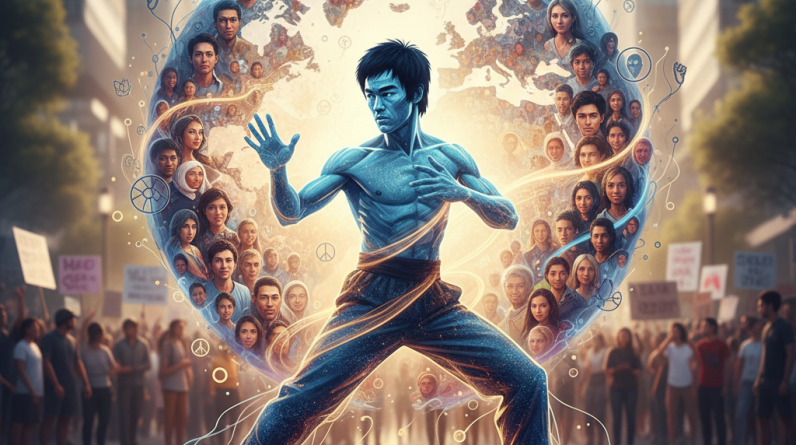
Bruce Lee wasn’t just a martial arts legend; he was a voice for social change, using his platform to erase the barriers surrounding race and representation. Lee’s philosophy revolved around the principles of unity, adaptability, and self-improvement. These ideas resonated with various movements during the 1960s and 70s, particularly those advocating for racial equality and combating racial stereotypes. By examining how his philosophy connected with the civil rights movement and various cultural explorations of the time, it’s clear that Lee was a forerunner in the fight for inclusion and authenticity.
Unity in Diversity
At the heart of Bruce Lee’s philosophy is a powerful idea: strength in unity. He famously stated, “Using no way as way; having no limitation as limitation.” This statement echoes a profound belief that we can pick and choose from different methodologies to create something unique. During the tumultuous time of the 1960s and 70s, his philosophy served as an inspiration not only in martial arts but also within movements advocating for social change.
Lee saw combat as a fluid interchange, emphasizing inclusivity over exclusivity. Activists were learning that change sometimes required stepping outside established boundaries; this idea was mirrored in Lee’s view of martial arts. He fought not only against stereotypes in his own life but also sought to open doors for all races within the martial arts community. Lee actively rejected the exclusivity often present in traditional Eastern disciplines. He believed that martial arts should be universal, breaking down the barriers that create division.
Defying Stereotypes and Paving the Way for Representation
During his rise to fame, Bruce Lee was up against a barrage of Western stereotypes of Asian individuals. He took it upon himself to transform these narratives by creating roles that portrayed Asian characters as multi-dimensional and influential figures, not just mere sidekicks or caricatures. Characters such as Kato in “The Green Hornet” and Lee himself in “Enter the Dragon” showcased not just physical prowess but also intelligence and charisma.
Lee’s mission extended beyond his own success; it aimed to clear a path for future generations. By standing against typecasting, he sought greater representation in film. This struggle aligned closely with the civil rights movement, where advocates championed racial equality. Lee’s work taught audiences the importance of visibility; by changing how Asian identities were portrayed, he encouraged people to challenge limiting stereotypes that persisted in society. His impact is felt even today in the fight for representation, showing that media is a powerful tool for social change.
Empowering Through Martial Arts
Lee aimed to democratize martial arts, making it accessible to everyone, regardless of background. His work was revolutionary for a period when martial arts were often cloistered within specific ethnic traditions. Lee wanted martial arts to become a universal language, a bridge between different cultures.
The creation of Jeet Kune Do exemplifies this vision. By allowing students to adopt techniques from various fighting styles, he broke the traditional martial arts mold. The adaptability inherent in Jeet Kune Do mirrors Lee’s approach to equality—both require a willingness to draw from different influences to forge a stronger self or community. Today’s activists can find lessons in Lee’s philosophy that adaptability is essential when combating oppression.
A Voice Against Injustice
Bruce Lee’s beliefs extended beyond physical techniques; they ventured into the realm of social justice. Amidst the civil rights movement, he spoke out against institutional racism and oppression, understanding that fighting for your beliefs didn’t just occur in the dojo. It happened in the streets and in the hearts of people ready to embrace change.
He argued for participation in the fight against injustice. In his words, “If you love life, don’t waste time for time is what life is made of”. This call to action resonates with several movements that blossomed during his time, like the Black Power movement. Each aimed to uplift underrepresented communities in a society that often marginalized them. Lee was unique in his role; he wasn’t just a figure in martial arts but a cultural luminary speaking against racial inequities.
The Legacy of Adaptability and Resilience
Another crucial aspect of Lee’s teachings was adaptability. He pushed martial artists to assess their environment and modify their techniques; similarly, social activists must recalibrate their approaches. The civil rights movement itself showcased numerous transformations in strategy, urging a break from traditional methods to tackle systemic issues. Just like Lee highlighted the need for flexibility in fighting, activists of his era had to embrace change, whether through new tactics or fresh conversations aimed at dismantling deep-rooted prejudices.
Take the Native American activism that gained steam during Lee’s career. Various leaders crafted new dialogues, merging heritage with contemporary issues, emphasizing that the fight for justice needs to consider historical contexts. Lee’s teachings reflected this dynamic, underscoring the importance of combining history with modern strategies. His idea that martial arts were about much more than just physical combat extends into the realm of social activism, demonstrating the interconnectedness of various struggles.
The Power of Community
Lee greatly valued the role of community as a catalyst for change. He continuously emphasized that personal growth is rooted deeply in collective experiences. Movements like those advocating for Chicano rights during the same period highlighted community strength, relying upon shared experiences to fuel their fight for justice. Lee encouraged individuals to learn from one another in martial arts, drawing parallels with these activism initiatives that thrived on collaboration and solidarity.
The Media’s Role in Amplifying Lee’s Ideas
Media has been a key player in spreading Lee’s philosophies. His films not only showcased jaw-dropping martial arts but also illustrated his beliefs surrounding strength, unity, and resilience. For many, movies like Enter the Dragon sparked a reassessment of societal perspectives and provided a lens through which to view personal and collective struggles. Lee’s cinematic presence helped change how Asian characters were portrayed, but also how they were perceived by audiences.
As time progresses, Lee’s teachings continue to thrive in modern media. Social platforms like Instagram and YouTube are buzzing with discussions of his wisdom, inspiring new generations to advocate for justice, empowerment, and equality. His words encourage individuals to leverage the tools available today, finding innovative ways to promote their causes.
Resonance in Contemporary Culture
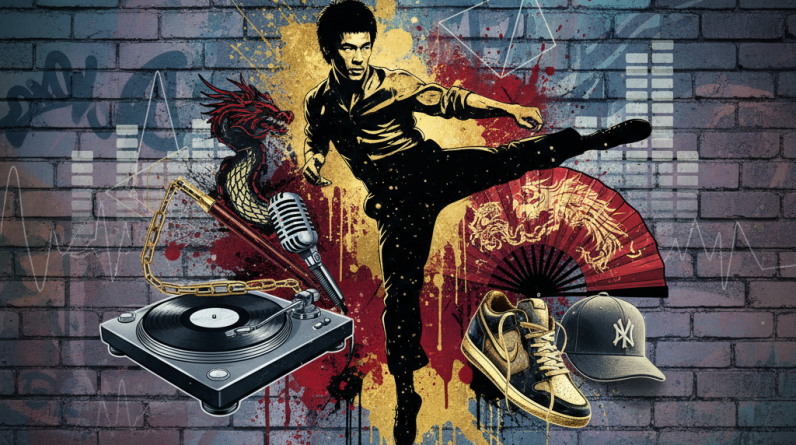
Bruce Lee’s influence crops up across modern culture, finding its place in various artistic expressions. Hip-hop artists often reference Lee’s philosophies, weaving his teachings into their lyrics and encouraging themes of empowerment and resilience. This connection reveals that his legacy is not confined to martial arts alone; it spills over into numerous aspects of life, inspiring dialogue about self-esteem, determination, and unity.
Taking Action Inspired by Lee’s Philosophy
You might wonder how to channel Bruce Lee’s philosophy into your own activism. Here are some actionable steps:
- Adapt and Evolve: Stay open to new ideas and be flexible in your methods; adaptability is crucial for creating meaningful change.
- Build Community: Forge connections with others. Sharing experiences helps strengthen your efforts and collective voice.
- Promote Diverse Representation: Advocate for varied voices in your initiatives. Inclusivity not only enriches your message but amplifies its reach.
- Utilize Digital Spaces: Engage with social media to amplify your message, build community understanding, and mobilize support.
- Commit to Lifelong Learning: Share knowledge about social justice philosophies. Empowering your community through shared learning can lead to significant change.
Reflecting on Lee’s Impact
Bruce Lee’s legacy continues to inspire activism today, as we reflect on his philosophies on unity, adaptability, and empowerment. By understanding his teachings in the context of the social movements during his lifetime – the civil rights movement, the fight for representation, and efforts to dismantle harmful stereotypes – we glean insights on how we can confront oppression in our own lives. Through understanding, collaboration, and resolute action, we carry forward Lee’s values into a future marked by inclusivity and justice.