


Bruce Lee remains a titan not only in martial arts but also in popular culture, especially in hip-hop music and aesthetics. His legacy resonates throughout the music world, influencing artists, music videos, and trends. This article explores the myriad ways Bruce Lee’s image, philosophy, and movements have permeated hip-hop culture.
Bruce Lee as a Cultural Icon
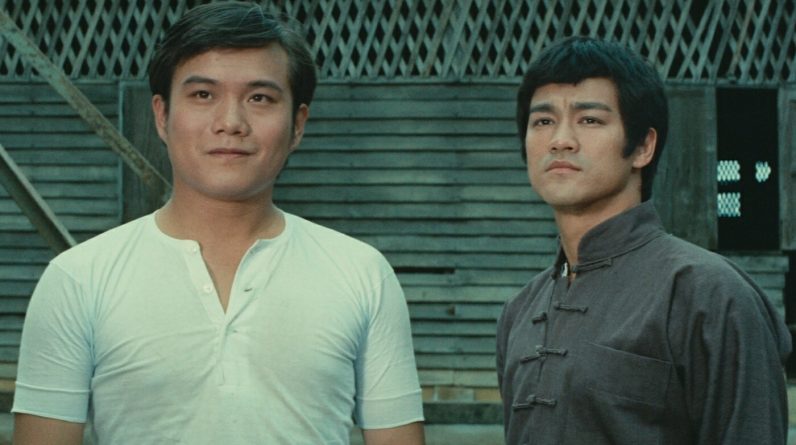
Before diving into hip-hop specifically, it’s essential to understand why Bruce Lee has become such an enduring cultural icon. His movies presented a blend of agility, philosophy, and charisma that transcended the typical action hero narrative. Bruce represented a new paradigm for martial artists – someone who defied racial stereotypes and embodied a global appeal. His films like Enter the Dragon and The Way of the Dragon showcased not just martial arts but a mindset of self-expression and discipline. This transformative approach resonated with audiences worldwide, paving the way for future generations to embrace holistic personal development.
Lee’s Influence on Hip-Hop Artists
Several hip-hop artists have openly cited Bruce Lee as a crucial influence in their music and approach to life. Rappers like Kendrick Lamar and J. Cole have referenced him in their lyrics and music videos, exemplifying how Lee’s philosophy of self-actualization aligns with the hip-hop ethos of overcoming adversity. Kendrick Lamar’s references to Lee’s philosophy in some of his lyrics reflects a shaping of identity through Lee’s enduring words. This direct connection highlights not only admiration but also a shared understanding of the struggles to gain recognition and respect in a world often filled with challenges.
Physicality and Performance Style
Another link between Bruce Lee and hip-hop is the emphasis on performance. Just as Lee utilized his body as an instrument in martial arts, many hip-hop artists use their physicality in music videos and live performances. The choreography often draws from martial arts movements, creating a dynamic and engaging presence. For instance, artists like RZA from Wu-Tang Clan have used Lee’s aesthetics in their work, tying martial arts movements directly into music video choreography. The fluidity and precision seen in both martial arts and hip-hop demonstrate a shared understanding of rhythm and movement, enhancing the overall experience for audiences. Furthermore, performers often mirror Lee’s philosophy of meticulous practice, underscoring that mastery in any craft requires relentless dedication and respect.
Music Videos That Celebrate Lee
Several iconic music videos feature Bruce Lee prominently or pay homage to his style and philosophy. The music video for Stir Fry by Migos demonstrates Lee’s influence through visual references and thematic nods. Similarly, the video for “Kung Fu Fighting” by Carl Douglas captures the spirit of martial arts in the context of music and dance, illustrating how Bruce Lee inspired a whole genre. These visual celebrations not only commend Lee’s legacy but also encourage a fusion of diverse cultural elements, further enriching the hip-hop narrative.
Sampling and Sound
Beyond visuals, Bruce Lee’s speeches and dialogues have been sampled extensively in hip-hop tracks, often emphasizing themes of resilience and self-belief. Rappers such as MF DOOM and Ghostface Killah have incorporated his speeches in their beats, blending Lee’s eloquence into their music. The use of these samples subtly weaves the philosophy of martial arts into the very fabric of hip-hop. This practice not only highlights Lee’s recurring imagery but also adds layers of meaning, reinforcing the connection between martial arts discipline and the struggles faced by hip-hop artists as they navigate their careers.
Thematic Connections
The themes inherent in Bruce Lee’s philosophy – such as fearlessness, self-exploration, and social justice – resonate deeply in hip-hop music. Just as Lee sought to break down barriers and showcase his true self, countless hip-hop artists strive to tell their stories and address societal issues. The intersection between their motivations can be traced through not only their lyrics but also their public personas. For instance, artists like Talib Kweli and Mos Def echo Lee’s commitment to authenticity and activism in their work, using their platforms to advocate for change and challenge injustice.
Cultural Crossroads
Hip-hop itself is a cultural crossroads, much like the ethos Bruce Lee represented. His influence can be seen across different regions and styles in hip-hop, from the lyrical focus in East Coast rap to the attention to flow and rhythm found in the West Coast scene. The global reach of hip-hop mirrors Bruce Lee’s universal appeal, making them both symbols of cultural exchange and representation. This blending of cultural narratives fosters a rich tapestry of storytelling where artists can express their unique backgrounds while remaining connected through shared ideals rooted in Lee’s philosophy.
Bruce Lee and Social Movements
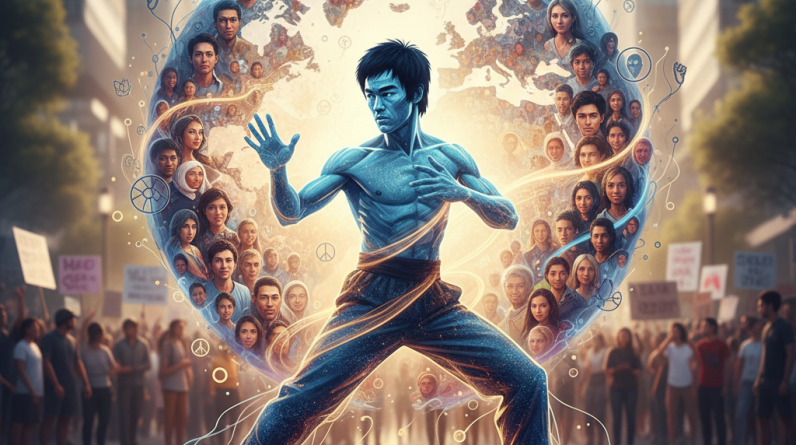
In his quest for equality and representation, Bruce Lee’s philosophies have permeated grassroots social movements, echoing through hip-hop lyrics that address systemic inequality. The raw and confrontational styles of artists like Public Enemy and N.W.A directly relate to Lee’s principles of fighting against oppression. This historical link remains vital in understanding hip-hop as a platform for socio-political discourse. In fact, many hip-hop artists actively leverage their gigs to amplify messages surrounding social justice, mirroring Lee’s approach to using his art form for enlightenment and progress.
The Martial Arts Aesthetic in Fashion
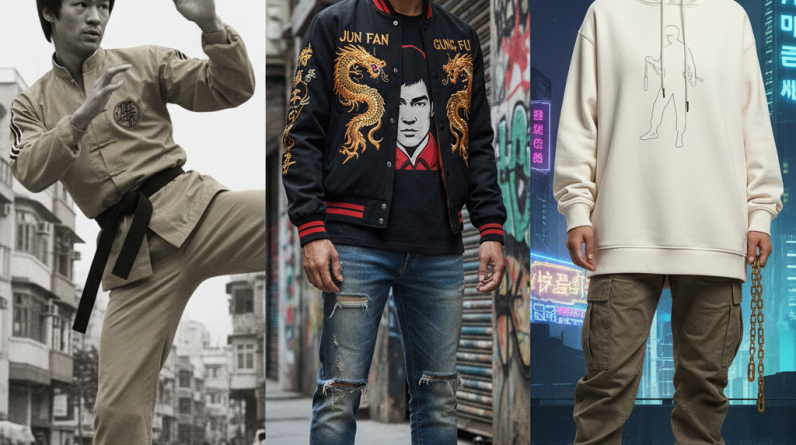
The martial arts aesthetic, characterized by tracksuits, graphic tees, and colorful designs, has found its way into streetwear, significantly impacting hip-hop fashion. Brands and specific collections nod to Bruce Lee through their designs, making martial arts a fashionable statement. The recent resurgence of vintage style clothing reflects this ongoing homage to Lee, underlining his impact on fashionable performance wear. Collaborations between fashion designers and martial arts enthusiasts bring a fresh perspective that reinvents traditional martial arts dressing into high fashion, reflecting the continuous evolution of hip-hop aesthetics.
Iconic Imagery
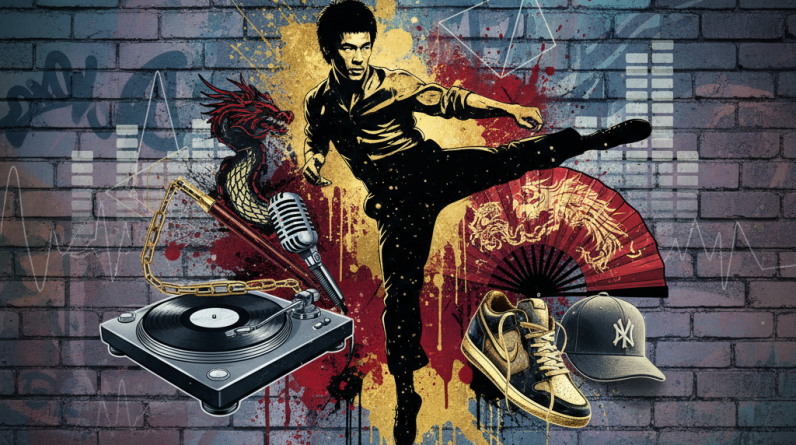
Images of Bruce Lee in action, especially his signature poses, are prevalent in hip-hop culture. Rappers often utilize these images in album art or promotional materials; they become powerful markers of cultural identity. This visual language creates a connection between the artist and the iconic legacy of Lee, solidifying his role as a cultural touchstone. You can see this embodiment in album covers featuring martial arts motifs, encapsulating the essence of both hip-hop and martial arts. Furthermore, events celebrating hip-hop often feature visual tributes to Lee, emphasizing his continuous influence amid contemporary cultural discussions.
Looking Ahead: The Legacy Continues
As hip-hop continues to evolve, Bruce Lee’s impact will undoubtedly remain a crucial part of the narrative. The dialogue between his philosophy and the themes prevalent in hip-hop transcends generations, providing artists with a rich history to draw upon. Future artists will likely continue this integration, ensuring that Bruce Lee’s passions and teachings live on through music. As new voices enter the scene, they will reinterpret and reinvent not only his ideals but also his image, maintaining Bruce Lee’s position as a fundamental cultural figure within the dynamic landscape of hip-hop.
In summary, Bruce Lee’s influence on hip-hop culture is multifaceted, providing a source of inspiration for artists across various genres. From lyrical references to music video aesthetics and fashion choices, his legacy is evident in more ways than one. As we reflect on this powerful intersection, we see how Lee’s life and philosophy continue to resonate, shaping future generations in the worlds of music and beyond.