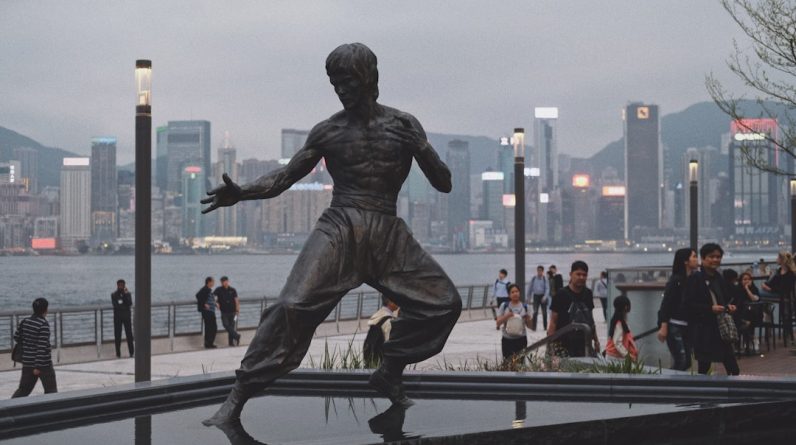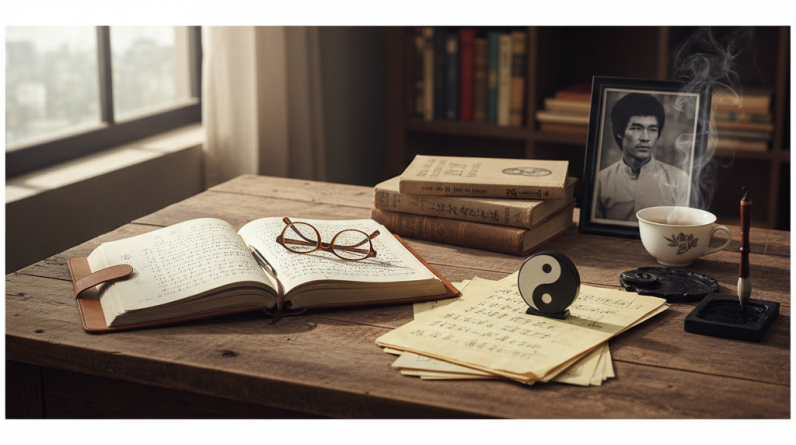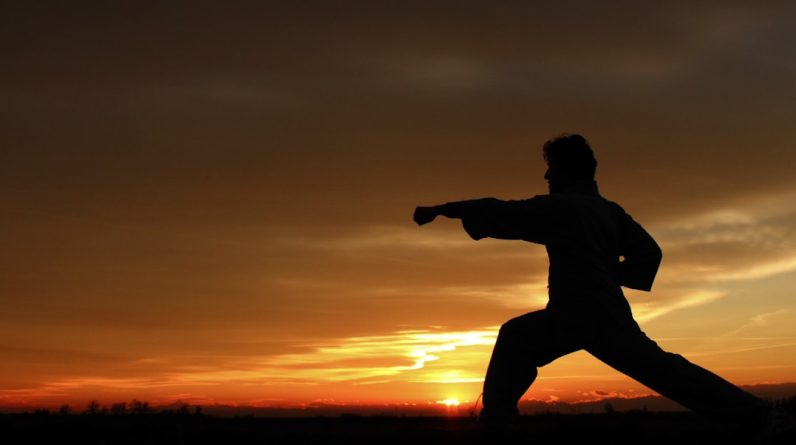




Outside of his martial arts practice, the core of Bruce Lee’s life and work was a profound philosophical framework. His approach to discipline and training is deeply interwoven with his views on personal development. For Lee, the journey of a martial artist was not merely about physical training; it was a path of self-discovery, introspection, and relentless pursuit of excellence.
The Essence of Discipline
Discipline, in Lee’s philosophy, transcends mere adherence to a training regimen. It embodies a mindset of unwavering commitment to continuous improvement. He believed that discipline is not for the sake of adhering to rules, but rather to cultivate a personal ethos that allows one to reach their fullest potential. Lee once said, “I’m not in this world to live up to your expectations and you’re not in this world to live up to mine.” This statement reflects his unique understanding of discipline as a personal endeavor.
The Training Routine
Lee’s daily training routine illustrates his disciplined approach. He incorporated a variety of practices, from martial arts to weight training, running, and flexibility exercises. For instance, Lee famously trained different muscle groups on alternate days, dedicating time to both cardiovascular and strength training – a holistic approach that embodies his principle of being versatile while honing specific skills. This method is a reminder that training should be comprehensive, addressing the physical, mental, and even spiritual aspects of the self.
Finding Your Own Path
A significant part of Lee’s philosophy is the idea that each individual must determine their own way. He critiqued traditional martial arts’ rigidity, urging practitioners to adopt what is useful, discard what is not, and add what is uniquely their own. Personal development, in Lee’s view, is closely aligned with this principle. It’s about finding your path through discipline. As you train, ask yourself: What resonates with you? What techniques or philosophies enhance your journey?
The Mind-Body Connection
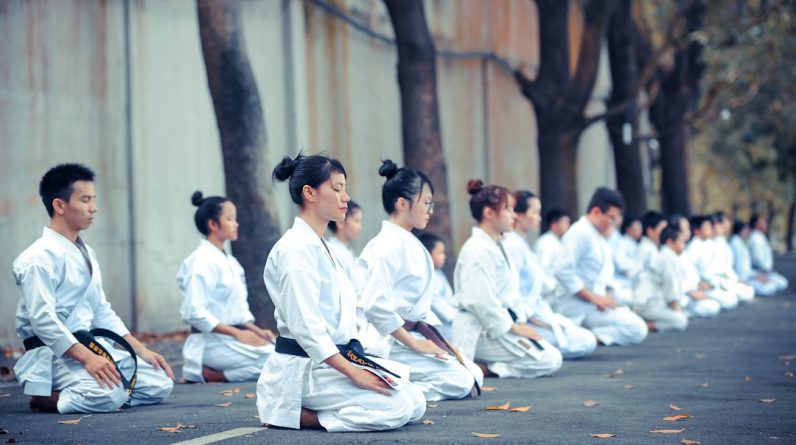
Lee emphasized the importance of the mind-body connection in training. He believed that discipline in physical training translates to mental discipline, creating a synergistic effect that enhances overall performance. To illustrate, consider the practice of mindfulness in martial arts. By being present during training, you’re not just executing techniques; you’re engaging deeply with your body, enhancing muscle memory, and fostering awareness. This awareness strengthens the bond between mind and body, allowing for more fluid and instinctual movement.
Training as an Art
For Lee, training was more than a physical activity; it was an art form. He saw martial arts as a canvas for self-expression. Each punch and kick was a stroke, creating a unique masterpiece that reflected the fighter’s essence. This artistic perspective on training encourages practitioners to approach their development creatively. Instead of merely repeating movements, they should seek to understand the philosophy behind each technique, exploring how it can apply to their lives, both on and off the mat.
Challenges as Growth Opportunities
Lee faced numerous challenges throughout his life, from being rejected in Hollywood to overcoming injuries. Each setback provided him with an opportunity to grow. He firmly believed that adversity was a catalyst for personal development. Instead of seeing obstacles as hindrances, Lee saw them as chances to refine one’s discipline and resilience. When faced with difficulties, ask yourself: What can I learn from this? How can I leverage this challenge for growth?
Breaking Through Limits
This philosophy of viewing challenges positively can be likened to the concept of breaking through psychological limits. Bruce often pushed the boundaries of what was considered possible. His famous one-inch punch demonstrated that power doesn’t always come from size or strength; sometimes, it’s about technique and understanding. This mindset encourages individuals to challenge their limits, whether in martial arts or any discipline. The key takeaway? Your perceived boundaries can often be expanded with discipline and creative approaches.
Holistic Self-Development
Lee was a proponent of holistic self-development. He believed in nurturing not only your physical body but also your intellect and spirit. This well-rounded approach to training is critical for sustained growth. Engage in activities that stimulate your mind, such as reading philosophy or practicing meditation alongside physical training. Lee integrated poetry and thought into his life, showing that personal development transcends mere physical prowess.
Creating a Personal Philosophy
Creating your own philosophy involves introspection and continuous learning. Lee’s writings often reflect an evolution of thought, showcasing how he adapted his view of discipline and training throughout his life. Try journaling your experiences, reflecting on what motivates you, and defining what discipline means to you. This personal philosophy can serve as a compass for your training journey, guiding your choices in both martial arts and life.
Community and Mentorship
Another crucial aspect of Lee’s approach to discipline was understanding the value of community and mentorship. He often spoke about learning from others while also contributing to their growth. Lee founded schools and taught with the intent to inspire the next generation. As you train, engage with a community of like-minded individuals who can challenge you and provide support. This reciprocal relationship in learning can bolster your discipline and enhance your personal development.
Sharing Knowledge
Much like Lee’s mentorship philosophy, consider how you can share your knowledge with others. Teaching is a powerful method of deepening your understanding. As you teach a technique to a fellow practitioner, articulating your knowledge allows you to see it from different angles, reinforcing your discipline and commitment to mastery.
Key Take-Aways
Bruce Lee’s approach to discipline and training is a beacon for those seeking personal development. By embodying discipline not just in technique but in every aspect of life, individuals can achieve profound growth. Embrace the journey as a continuous process rather than a destination, and structure your training in a way that allows for self-discovery, creativity, and resilience. Ultimately, Bruce Lee’s legacy reminds us that we are all capable of much more than we think if we commit to our own paths with dedication and an open mind.