


Explore Jackie Chan’s Beginnings
You might already know Jackie Chan as a powerhouse in martial arts cinema, and a pioneer in the action-comedy genre, but have you ever wondered what started his journey? Born in 1954 under the name Chan Kong-sang, he stepped into film as a child actor in the early 1960s. He later trained in acrobatics and martial arts, giving him a solid foundation to execute daring stunts without a stunt double. While that quality of his work has since been replicated by other high-profile actors, such as Tom Cruise, it was virtually unheard-of for a leading actor to perform his own stunts when Jackie was making his mark. A litany of broken bones and other injuries stand as testament to the exceptional sacrifices Jackie made in order to create breathtakingly memorable moments of screen action.
Early Influences + Appearance in Enter the Dragon
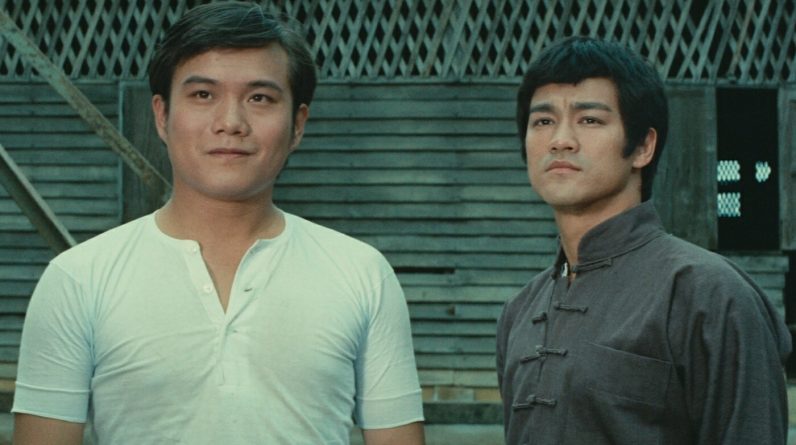
Chan took a different route from many serious kung fu stars of his time. Instead of portraying stern heroes, he embraced a slightly foolish, underdog persona, which made audiences laugh and root for him. By his teenage years, he was a stuntman alongside the legendary Bruce Lee, absorbing every lesson he could. This is where two of the genre’s greatest legends crossed paths.
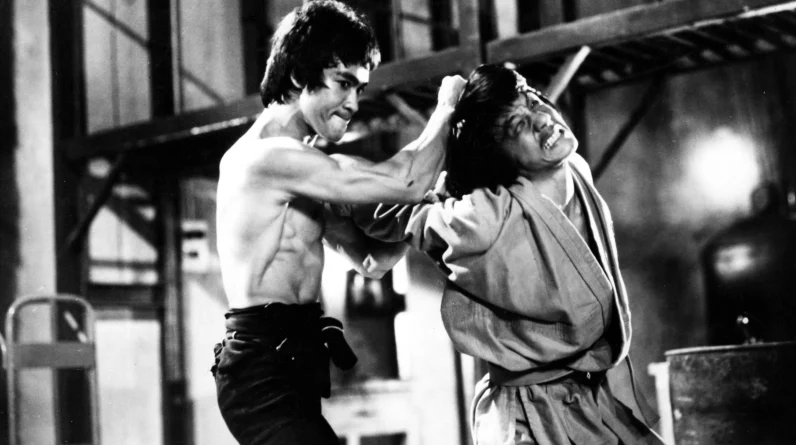
In a couple of blink-and-you’ll-miss-it moments, Jackie can be seen as a stunt performer in Bruce’s acclaimed Enter the Dragon. While his time on screen was minimal, being able to interact directly with Bruce (including having Bruce dispatch of his character with a brutal neck break) no doubt helped Jackie to visualize what his own career could become. Indeed, just as Enter the Dragon allowed Bruce to bridge the divide between eastern and western cinema, so Jackie managed to make the leap from Hong Kong action to mainstream Hollywood movies a couple of decades later.
Jackie’s Signature Fighting Style
When you watch Chan’s fight sequences, you’ll notice how he combines practical self-defense techniques with fast-paced acrobatics. He relies on Kung Fu, Hapkido, and even Drunken Boxing to keep his moves exciting and unpredictable. He also loves to improvise with everyday items, showing that a ladder, a coat rack or even the steering wheel of a car can become the best tool in a pinch.
The Comedic Twist
Chan adds comic timing to his fights, whether he’s ducking a punch or slipping on a loose rug. He also carries physical action and slapstick through to interactions with would-be dates and other supporting characters. These moments give his scenes a relaxed, human feel. Audiences see a fighter who messes up sometimes, recovers quickly, and wins through persistence rather than untouchable perfection. According to ActivStars Athletics, this vulnerability is one of the traits that sets him apart from traditional action stars.
His Global Breakthrough
Chan became a sensation in Hong Kong during the 1970s with hit films like Drunken Master and Snake in the Eagle’s Shadow, both showcasing his comedic martial arts style. These films become cult classics in the west. Indeed, Drunken Master Part II remains this one of this author’s favorite of Chan’s movies, and an almost unmatched display of on-screen athleticism. By the mid-1990s, movies such as Rumble in the Bronx introduced him to broader North American audiences. That was the spark that ignited a worldwide fan base.
Key Films That Boosted His Fame
| Film Title | Year |
|---|---|
| Drunken Master | 1978 |
| Police Story | 1985 |
| Rumble in the Bronx | 1995 |
| Rush Hour | 1998 |
With Rush Hour, Chan cemented his place in Hollywood by playing Chief Inspector Lee, charming viewers with his martial arts flair and friendly comedic banter. This buddy cop formula worked so well that it spawned two sequels, raking in millions at the box office.
Comparing Chan And Bruce Lee
While Bruce Lee dabbled in comedy and showed some level of vulnerability on-screen, his screen persona tended to be more stern. This serious, lightning-fast style made him an icon of serious kung fu cinema who was more akin to today’s cinema superheroes. Chan, on the other hand, saw an opportunity to do things differently. While Lee’s characters typically radiated confidence and stoicism, Chan’s characters often blunder, get frustrated, or even show fear and momentary weakness. Yet Chan’s devotion to real stunts and deep martial arts roots parallels Lee’s commitment to showing authentic combat on screen.
Shared Legacy
- Both broke cultural barriers by blending Eastern martial arts with Western film markets.
- They showed that action films can highlight discipline, skill, and charisma in equal measure.
- Their success paved the way for future action stars to follow in their footsteps.
Chan’s Lasting Influence
Today, Chan is recognized globally for redefining the action movie formula with humor, heart, and gravity-defying stunts. His willingness to take hits and never shy away from risk earned him the Guinness World Record for “Most Stunts by a Living Actor.” According to IMDb Awards, he has been honored by countless film organizations, proving that you can be both a master martial artist and a beloved entertainer.
Why His Approach Still Thrives
- Chan’s fights feel real because he shows pain: a stubbed toe here, a bruised shin there, and lots of comedic surprise (even moreso if we include his famous post-credit blooper reels).
- He focuses on storytelling, using props and funny moments to keep you engaged.
- His ability to connect with cross-cultural audiences helped him find success in Asia, Europe, and North America.
In short, Chan’s legacy reminds you that action movies can be more than just brute force. They can be playful, relatable, and downright thrilling to watch. So next time you cue up a classic Chan film, grab some popcorn and keep an eye out for those improvised weapons. You’ll see how he has truly redefined action movies for everyone.
Feel free to share your favorite Chan moment in the comments, and if you’re curious about other stars who shaped martial arts cinema, don’t forget to check out more of Bruce Lee’s cinematic collaborators. Enjoy the ride.